
The Regency Portfolio: Austen’s Characters and Marginalia
Austen’s Characters: Through the Eyes of Contemporaries
Northanger Abbey: The Characters as Their Contemporaries Saw Them
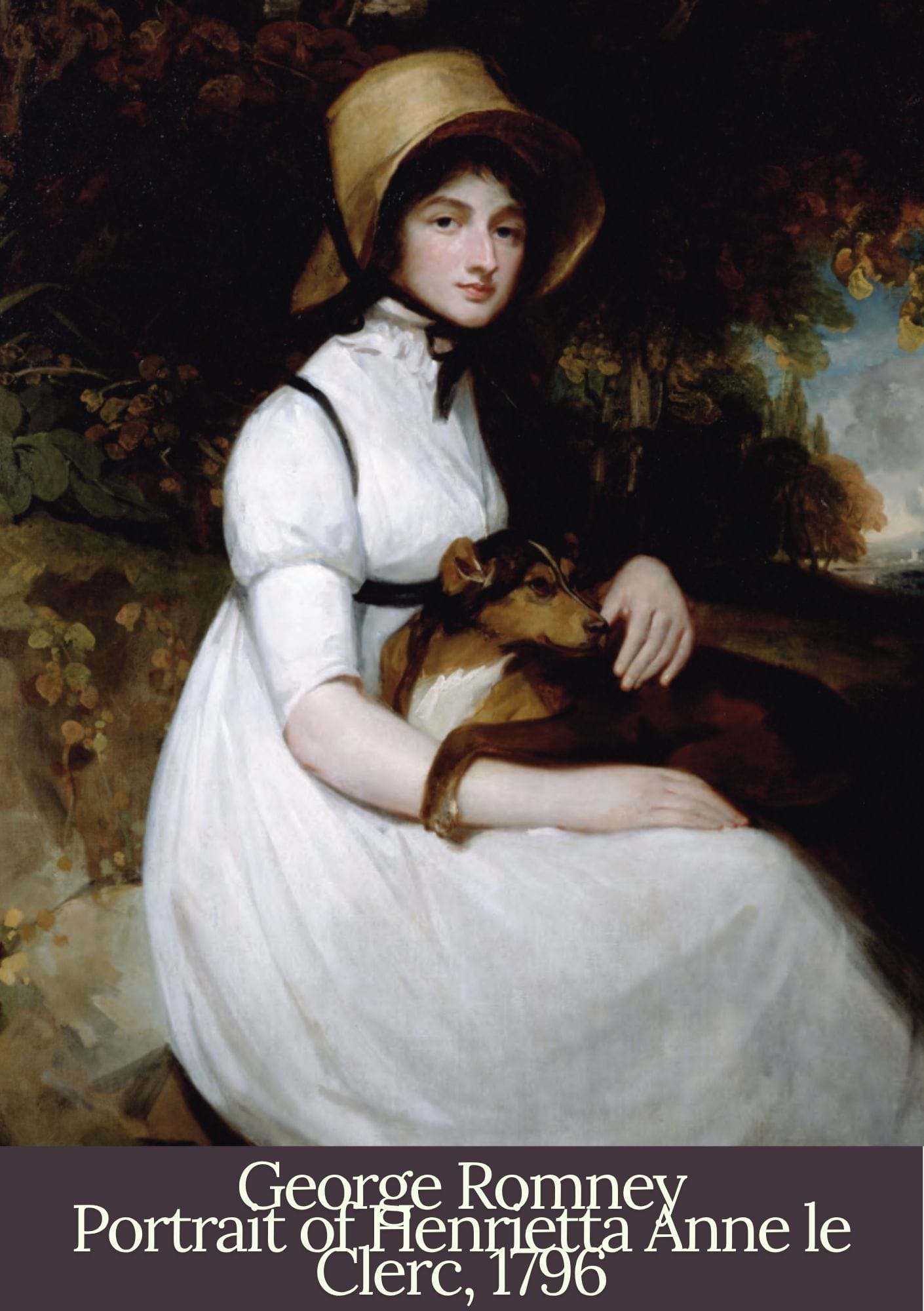
Northanger Abbey.Catherine Morland 🌹Henrietta Le Clerc by George Romney (1796)
Jane Austen began drafting Northanger Abbey (originally titled Susan) around 1798. At that time, the idealized beauty of the mid-18th century was giving way to a more natural, youthful aesthetic. In the novel, Austen famously introduces Catherine as an "anti-heroine." She wasn't born a beauty; she was a plain child who "bloomed" into a pretty girl by seventeen. This portrait by Romney, painted just two years before the book's conception, captures that exact transition.
Significant Trifles:
- The Look: Henrietta’s expression is open, spirited, and slightly naive—the perfect reflection of a young girl who prefers "cricket and rolling down green slopes" to somber studies.
- The Fashion: Notice the simple white gown and the soft, unpowdered curls. This is the "Regency style" in its infancy. For Catherine, a clergyman’s daughter, this understated elegance was both a matter of budget and the height of modern fashion in the 1790s.
- The Artist's Touch: George Romney was known for capturing "sensibility"—a key theme in the Gothic parodies Catherine loved so much. One can easily imagine this Catherine peering into a mysterious black cabinet in the Abbey with that same wide-eyed curiosity.
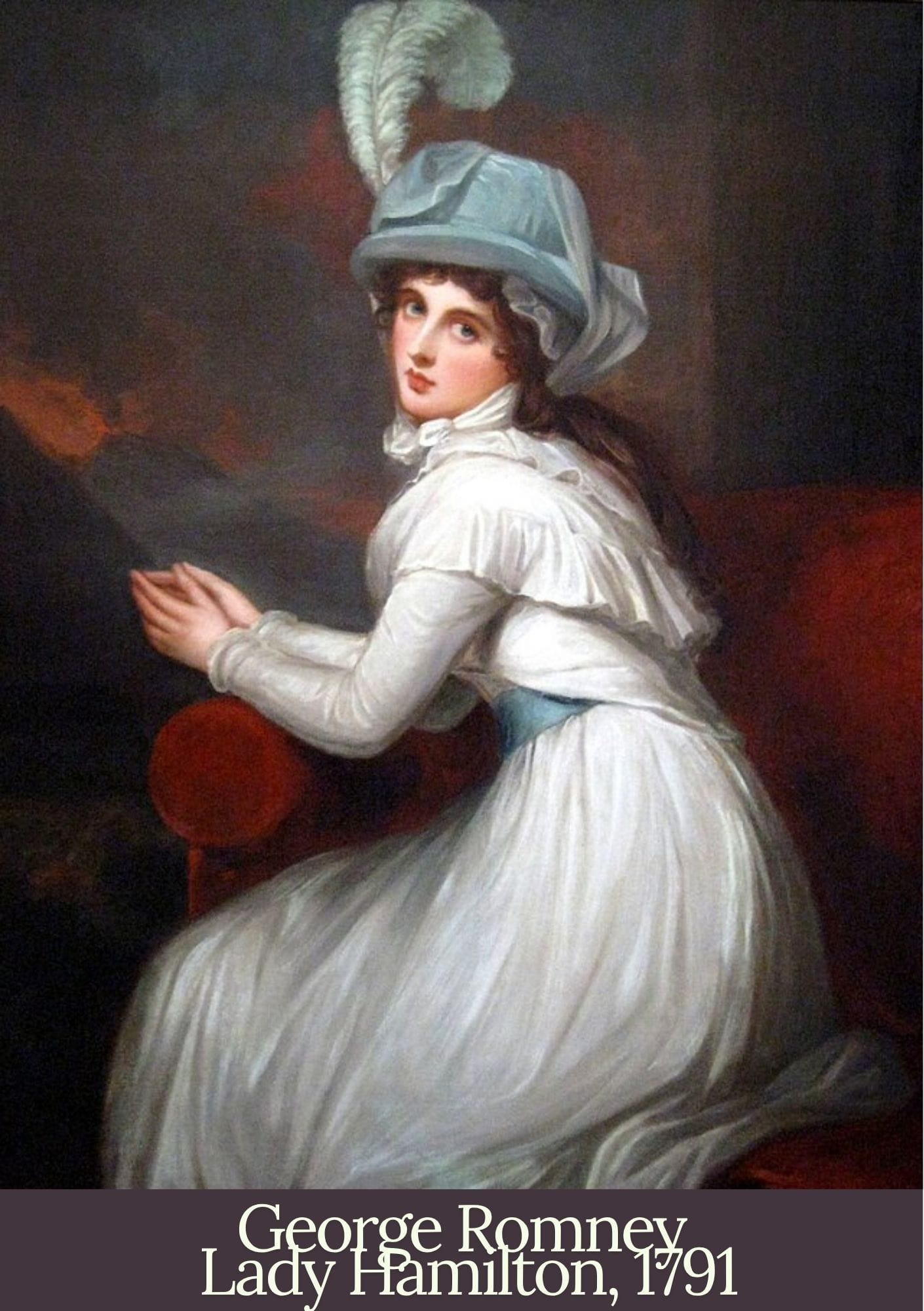
Northanger Abbey.Isabella Thorpe 🌹Lady Hamilton by George Romney (1791)
By 1791, the fashion for simplicity was being overtaken by more theatrical flair—much like Isabella’s own personality. This portrait captures the essence of a woman who understands the power of a well-placed ribbon and a captivating gaze.
Significant Trifles:
The Art of Presentation: Notice the elaborate hat and the stylish disarray of her curls. In Northanger Abbey, Isabella is constantly preoccupied with her appearance at the Pump Room. This portrait is the visual equivalent of her "smartest gown" and her desire to be the center of attention.
A Study in Contrast: While our portrait of Catherine (Henrietta Le Clerc) radiates sincerity, this image of Emma Hamilton radiates intention. Isabella doesn't just exist; she performs.
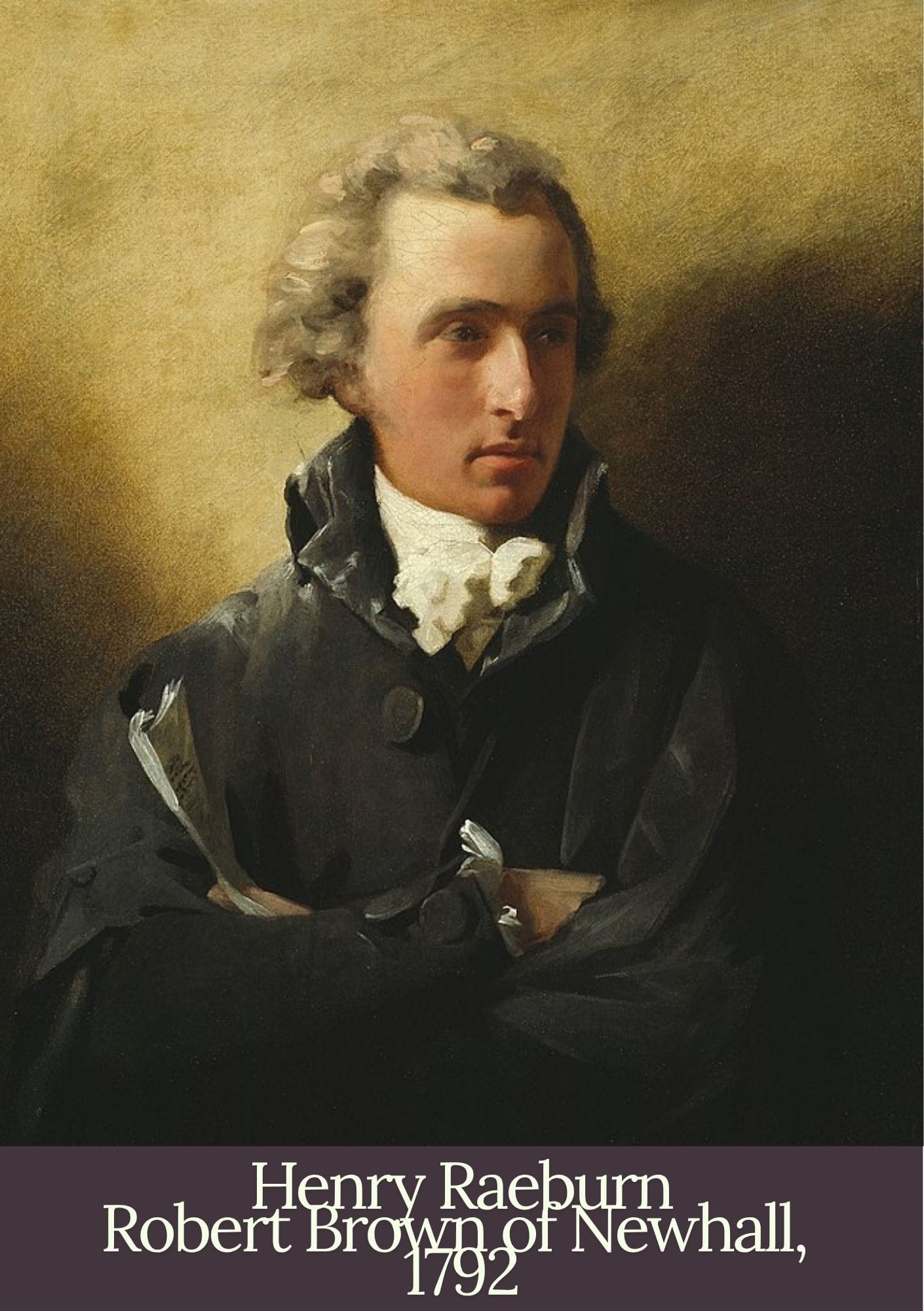
Northanger Abbey.Henry Tilney 🌹Robert Brown of Newhall by Sir Henry Raeburn (1792)
Henry Tilney is perhaps Austen’s most charmingly sarcastic hero. He is a man of books, keen observation, and gentle irony. In this 1792 portrait, Raeburn captures a gentleman who possesses a "speaking face"—one that suggests a quick mind and a hidden smile. This is exactly the Henry who would tease Catherine about her journal-writing with such effortless grace.
Significant Trifles:
- The Look of a Scholar: Unlike the flamboyant "dandies" of the era, this gentleman exudes a quiet, intellectual confidence. As a clergyman with a well-to-do background, Henry’s style was rooted in quality rather than showiness.
- The 1790s Silhouette: The date of the portrait (1792) aligns perfectly with the early versions of the novel. It shows the transition to the more natural, unpowdered look that Henry Tilney would have favored while wandering the hills of Northanger.
- The Half-Smile: There is a glint of humor in his expression—the mark of a man who understands the "language of flowers" and the absurdities of Bath society equally well.
Marginalia: The Name Game
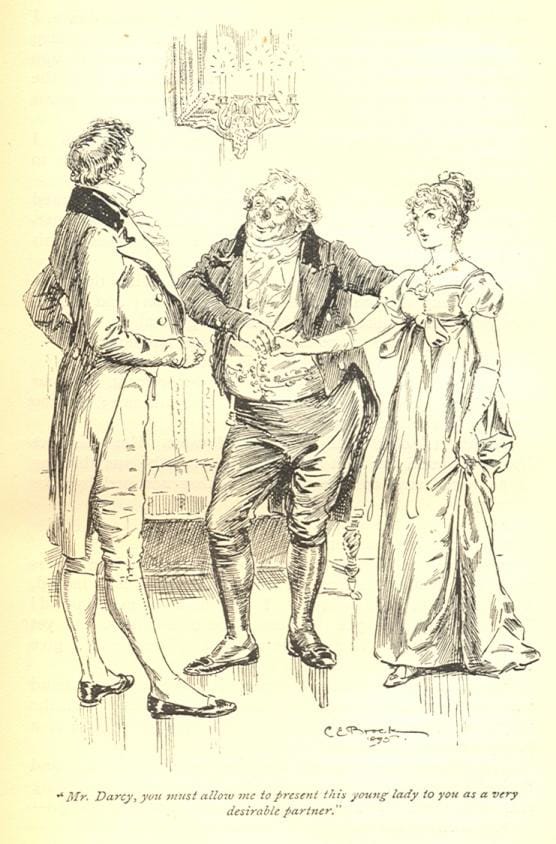
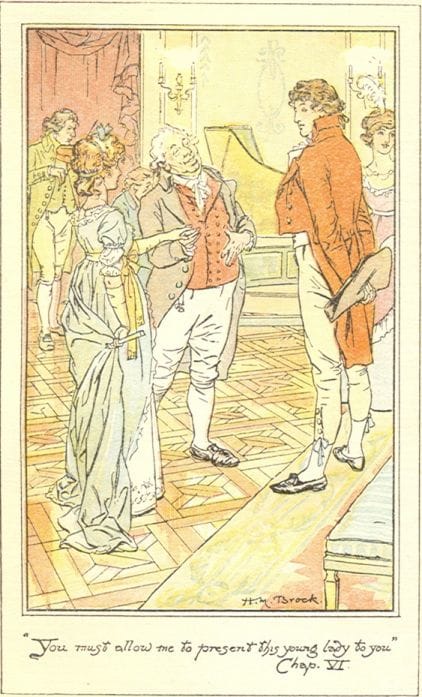
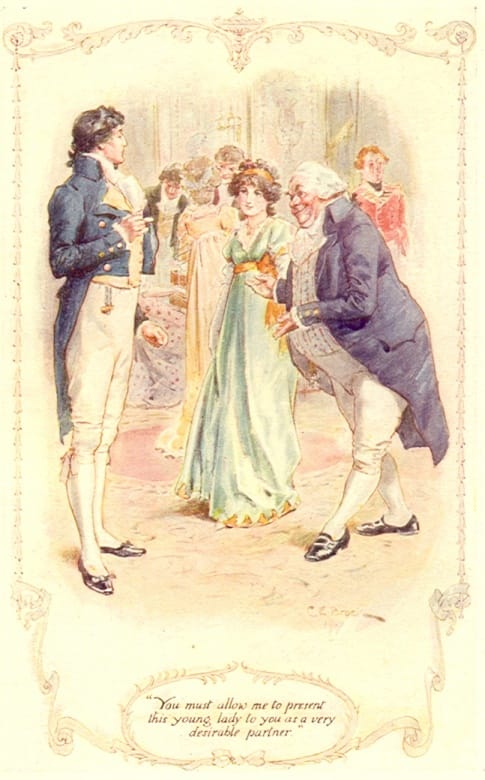
Mr. Fitzwilliam Darcy
Why Mr. Darcy and his cousin share the name "Fitzwilliam"
In Pride and Prejudice, we know the hero simply as Mr. Darcy for most of the book. But his full name, Fitzwilliam Darcy, carries a specific weight that many modern readers overlook. It is identical to the surname of his cousin, Colonel Fitzwilliam.
The Family Connection:
Mr. Darcy’s mother was Lady Anne Fitzwilliam. In the 19th century, it was a common tradition among the upper classes to use a mother’s maiden name as a first name for the eldest son. This wasn't just sentimental; it was a strategic way to advertise the child’s "noble" bloodline.The Social Status:
By naming him Fitzwilliam, the Darcys were subtly reminding everyone that while the Darcy family was "merely" wealthy landed gentry, his mother’s side was aristocratic. His uncle (the Colonel’s father) is an Earl.
The Known Relatives:
- Lady Catherine de Bourgh: Darcy’s aunt (his mother’s sister). She represents the overbearing, "old money" pride of the Fitzwilliam line.
- Colonel Fitzwilliam: Darcy’s cousin and co-guardian of Georgiana. He is a younger son, meaning he has the prestige of the Fitzwilliam name but lacks the Darcy fortune—hence his remark to Elizabeth about not being able to marry "wherever he likes."
- Georgiana Darcy: His younger sister, whose protection is Darcy’s primary concern throughout the novel.
The Takeaway:
When characters call him "Mr. Fitzwilliam Darcy," they aren't just using a first name—they are acknowledging his connection to an Earldom. It’s a badge of status that makes his eventual choice to marry Elizabeth Bennet (who has no such "noble" names in her tree) even more scandalous to his peers.
The Name Game: The Contrast with Mr. Wickham
To truly understand why the "Fitzwilliam" name matters, we have to look at the man who grew up alongside him: George Wickham.
A Tale of Two Names:
While Darcy was given his mother’s aristocratic maiden name to signal his status. Wickham was named "George" as a tribute.
- The Namesake: Wickham was named after Darcy’s father, Old Mr. Darcy (George Darcy). It signaled that the Darcys were his "patrons."
- The Status: Giving a godchild or a steward’s son the master’s name was a common sign of patronage. It marked Wickham not as an equal, but as a protégé who owed his entire education and future to the Darcy family’s charity.
The Marginalia Insight:
When Elizabeth first hears Wickham’s story, she is charmed by his manners. But a savvy Regency reader would have seen the names "Fitzwilliam Darcy" and "George Wickham" side-by-side and immediately known who held the ancestral power and who was the "lucky" recipient of a gentleman’s kindness.
The Strategy Behind the Name
- A "Maiden Name" Statement: It was a common tradition among the wealthy landed gentry and aristocracy to use the mother's maiden name as a first name for the eldest son. This served as a permanent reminder of the family's connections, especially if the mother’s side was more "prestigious" than the father's.
- Advertising Aristocracy: While the Darcys were "merely" wealthy landowners (landed gentry), the Fitzwilliams were titled nobility. By giving him this name, his parents ensured that every time he was introduced as "Fitzwilliam Darcy," people were immediately reminded of his grandfather the Earl and his aunt Lady Catherine de Bourgh.
- The Norman Connection: The prefix "Fitz-" (from the French fils de, meaning "son of") and the name Darcy (originally d’Arcy) both suggest ancient Norman-French roots dating back to the time of William the Conqueror. For Austen’s readers, this combination signaled "old, old money" and a lineage that might even pre-date the current royal family.
His first name isn't just a name—it’s a social CV! Every time someone calls him Fitzwilliam, they are acknowledging that he is the grandson of an Earl. It sets him apart from men like Mr. Bingley, whose wealth was relatively new and whose family lacked those deep, aristocratic roots.